













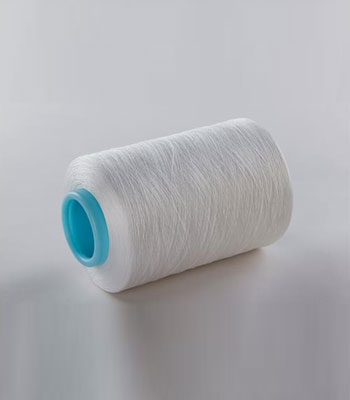
Antibacterial Polyester Yarn
$0.00Introduction
Polymers can be easily infected by bacteria or fungi, which consequently results in the transmission of diseases and severe infections. Prevention of microbial colonization onto the polymeric surfaces can be fulfilled by adding active antimicrobial agent like silver nanoparticles into the polymers. Polyester is a category of polymers that contain the ester functional group in their main chain. In comparison with other industrial fibers, polyester fibers have high tenacity, low water absorption and minimum shrinkage. This material is widely used in the clothing industry. Silver ions and its compounds are extremely lethal for a wide range of bacteria, whilst they show very low toxicity for human cells. Therefore, silver is widely used as an antibacterial agent.
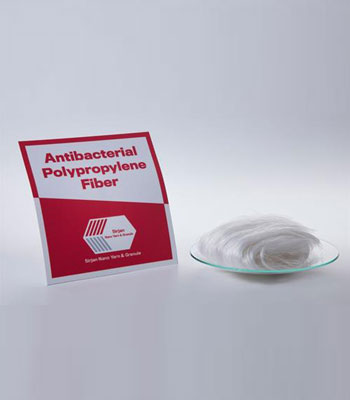
Antibacterial Polypropylene Fiber
$0.00Introduction
This product is zinc oxide/polypropylene nanocomposite fibers, which due to the presence of zinc oxide nanoparticles show antibacterial properties. The use of zinc oxide nanoparticles in destroying the bacteria has considerable applications. Due to the presence of zinc oxide nanoparticles inside the polymeric network of the yarn, the rate of releasing nanoparticle is very low; so the long-term antibacterial effect of this product is considerable.

Antibacterial Rubbish Bin
$0.00Introduction
A waste container is usually made of metal or plastic. These containers are made of polymers such as polypropylene (PP). Because of having a low production cost, PP has a broad range of applications. The use of antimicrobial PP which is a class of polymers with antibacterial activity has been continuously increased. This is due to the fact that the polymer materials can be easily surrounded by bacteria or fungi, which consequently results in the transmission of diseases and severe infections. Prevention of microbial colonization onto the polymeric surfaces can be fulfilled by adding active antimicrobial agent like silver nanoparticles into the polymers. Silver ions and its compounds are extremely lethal for a wide range of bacteria, whilst they show very low toxicity for human cells. It should be noted that the polymer-silver nanocomposite maintains its antibacterial effect, as if its antibacterial efficiency against a wide variety of bacteria has been widely reported.
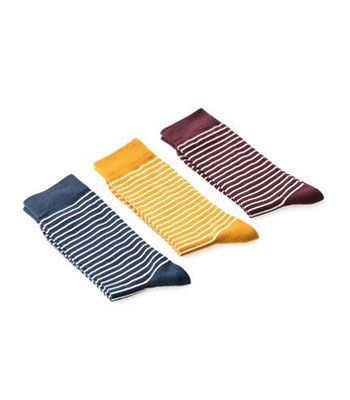
Antibacterial Socks
$0.00Introduction
When feet perspire, bacteria thrive in the damp fibers and where bacteria thrive, odor thrives too. Therefore, socks are good places for growth of bacteria and creation of diseases. Wearing antibacterial socks can prevent foot-related infections and diseases. By increasing the importance of foot health, the socks containing silver nanoparticles have brought many benefits to the consumers. Nanoparticles including silver and zinc oxide nanoparticles eliminate the bacteria, and consequently remove the bad smells.
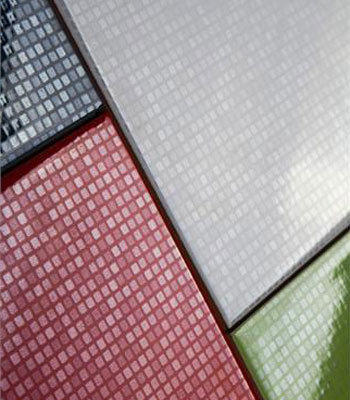
Antibacterial Tile
$0.00Introduction
Ceramic tiles due to having excellent chemical stability, as well as good appearance are widely used in different places such as hospitals and buildings. normally, the microorganisms reproduce easily on the ceramic tile surface, especially in wet environment. The silver-titanium nanocomposite particles have an antibacterial effect which can kill more than 650 different types of bacteria and they are not harmful to the environment and the human body. The silver-titanium nanocomposite particles along with silver ions in the ceramic glaze, penetrate the cell walls of bacteria and microorganisms and prevent their growth and reproduction. These nanoparticles can be mixed with ceramic glaze as an additive.
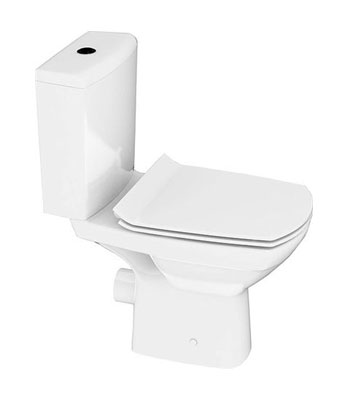
Antibacterial Toilet
$0.00Introduction
When using public restrooms, people are often worried about sanitary issues and their related illnesses. People are often sensitive to this issue, so they take special care when using and touching the equipment. Genital infections, fungal infections, skin sensitization and infectious, and microbial diseases are one of the most common causes of these bacteria. This product is an antibacterial squat toilet containing zinc oxide nanoparticles. The antibacterial toilet has surfaces which are resistant to bacterial growth. Sanitary products like wash basin are coated with materials which remove hazardous microorganisms, such as bacteria, viruses, fungi and other germs. In comparison with other metal oxides, the application of zinc oxide in biomedical and antiviral fields is due to its compatibility, solubility in alkaline environments, and terminated polar surfaces.
